
The role of Permaculture and Agroecology in Food Safety
World Food Safety Day, observed annually on June 7th, serves as a reminder of the critical need to safeguard the food we consume. As our global population continues to grow, ensuring food safety becomes an increasingly significant challenge. In this article, we explore the importance of permaculture and agroecology in promoting sustainable and safe food production systems.
Understanding Permaculture and Agroecology
Permaculture and agroecology are holistic approaches to farming and land management that prioritize ecological balance, biodiversity, and sustainability. They aim to create food systems that are both productive and resilient while minimizing negative environmental impacts.
1. Preservation of Soil Health
Permaculture and agroecology emphasize the importance of maintaining healthy soil. Healthy soil is crucial for cultivating nutritious crops, as it provides essential nutrients and supports the growth of robust plants. By utilizing organic farming practices, such as composting, crop rotation, and cover cropping, permaculture and agroecology help conserve soil fertility, preventing erosion and soil degradation.
2. Biodiversity and Natural Pest Management
Promoting biodiversity is a cornerstone of permaculture and agroecology. Incorporating diverse plant species, creates ecological niches that attract beneficial insects, birds, and other organisms that act as natural predators to pests. This reduces the need for synthetic pesticides, leading to safer food production and preserving ecosystem balance.
3. Water Conservation and Management
4. Climate Resilience
Water scarcity is a significant challenge faced by many regions globally. Permaculture and agroecology techniques focus on efficient water management. Implementing strategies like rainwater harvesting, drip irrigation, and mulching can help conserve water resources while maintaining good crop hydration. By minimizing water waste, these practices contribute to sustainable and secure food production.
With climate change posing a substantial threat to agriculture, permaculture and agroecology offer solutions that enhance resilience. These approaches encourage the use of (local) climate-adapted crops, agroforestry systems, and regenerative farming practices that improve the soil’s capacity to sequester carbon dioxide. By mitigating climate-related risks, permaculture and agroecology ensure long-term food security.
5. Localized Food Systems
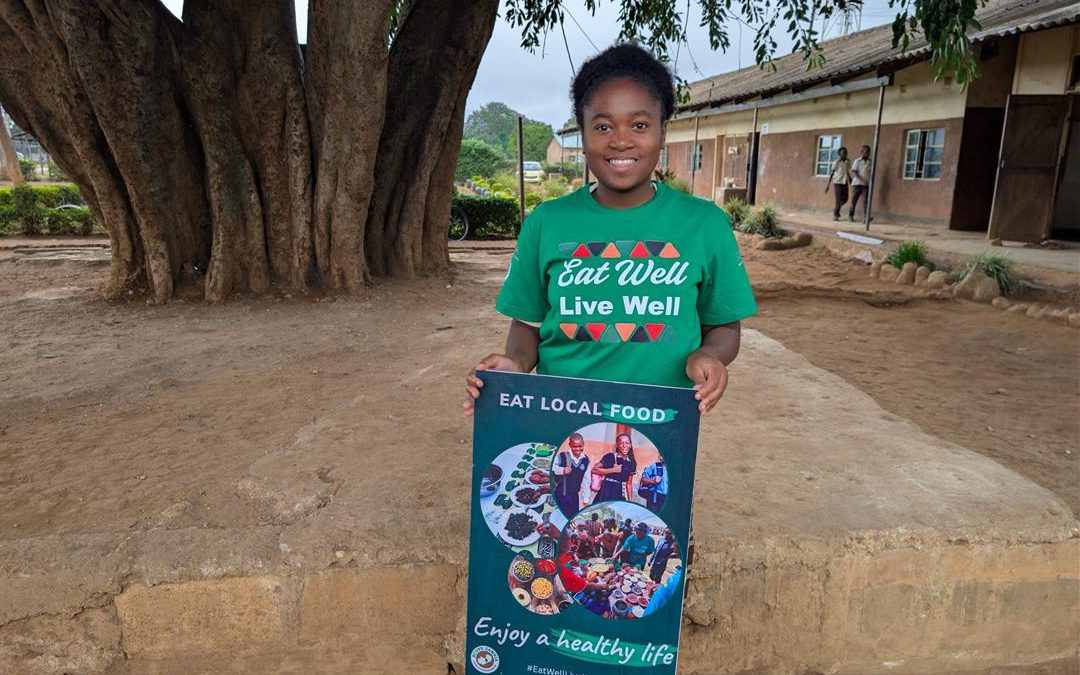
Permaculture and agroecology emphasize the importance of localized food systems, reducing reliance on long-distance transportation and large-scale industrial farming. By supporting small-scale farmers and promoting community-based agriculture, these practices enhance food sovereignty, improve access to nutritious food, and minimize the risks associated with global food supply chains.
On World Food Safety Day, it is crucial to recognize the critical role that permaculture and agroecology play in ensuring safe and sustainable food production. By prioritizing soil health, biodiversity, water conservation, climate resilience, and localized food systems, these practices pave the way for a more secure and resilient future. As consumers, farmers, communities and organizations we can all contribute to a collective effort to protect our health, environment, and food security. Let us celebrate this day by acknowledging the successes that we have already had and advocating for further steps towards a sustainable future where communities are food secure and do no longer need to depend on synthetic inputs to grow the food that they eat.