Impact
SCOPE Zambia positively empowers pupils, students, and community members across Zambia through permaculture education, building climate resilience and harmony with nature. We’ve reached 6,700+ stakeholders so far a number that grows each year as we expand our network. Our core mission is to support schools and communities in the best way possible.
-
5000+
Pupils
-
1000+
Tertiary students
-
700+
Community members
How We Work
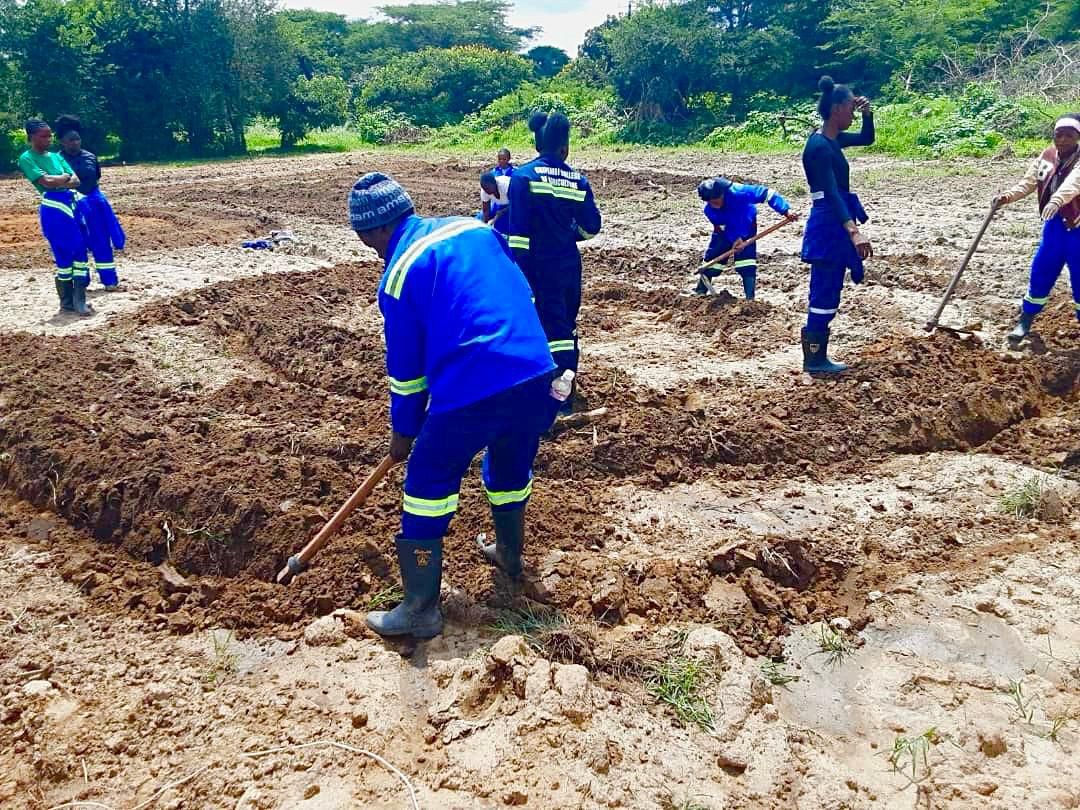
Participatory Learning & Demonstration-Based Practice
We use hands-on learning approaches grounded in permaculture and agroecology. Through a practice called Integrated Land Use Design (ILUD), we redesign school landscapes and establish school food forests, demonstration plots, and practical training. Pupils and surrounding communities learn by doing/testing, adapting, and owning sustainable farming and ecological restoration practices within their local contexts.
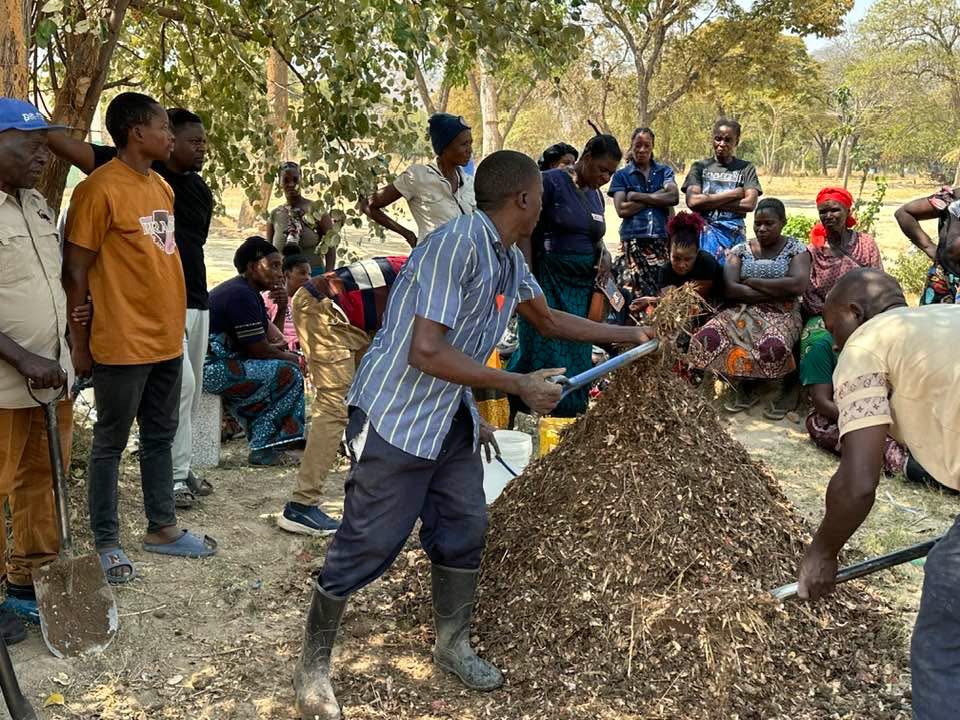
Community Ownership & Leadership Development
We prioritise building local leadership among teachers, students, youth champions, and community facilitators. This is usually done through the establishment of local committees representing each stakeholder in the school, college or community. By strengthening local capacity and decision-making structures, we ensure that projects are community-driven, culturally rooted, and sustainable beyond external funding cycles.
Institutional Strengthening & Systems Integration
We work closely with education authorities such as District Education Boards, school administrations, and local government structures such as the Ministry of Education to embed agroecology and climate resilience into institutional systems, school curriculum and practice.
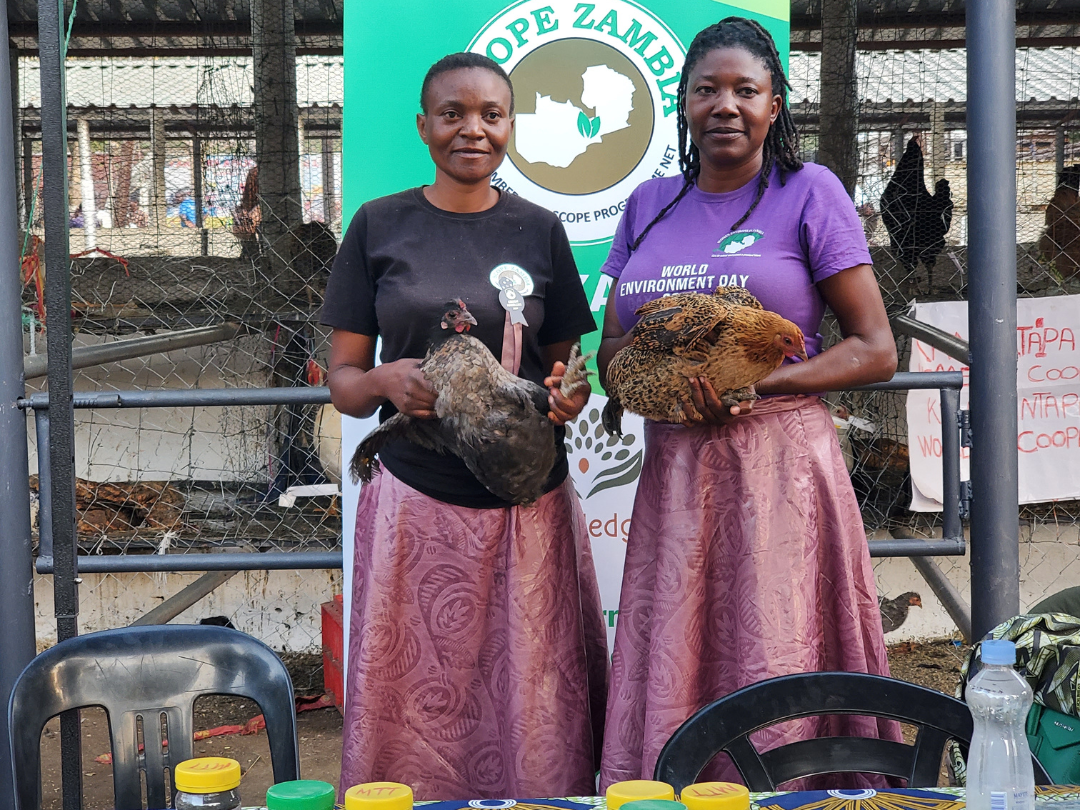
Ecological Restoration Linked to Livelihoods
Our approach integrates environmental regeneration with food sovereignty. Tree planting, water harvesting, seed saving, and biodiversity protection are not treated as standalone environmental actions, but as strategies that improve household nutrition, climate resilience, and long-term livelihood stability.
Our Ongoing Works
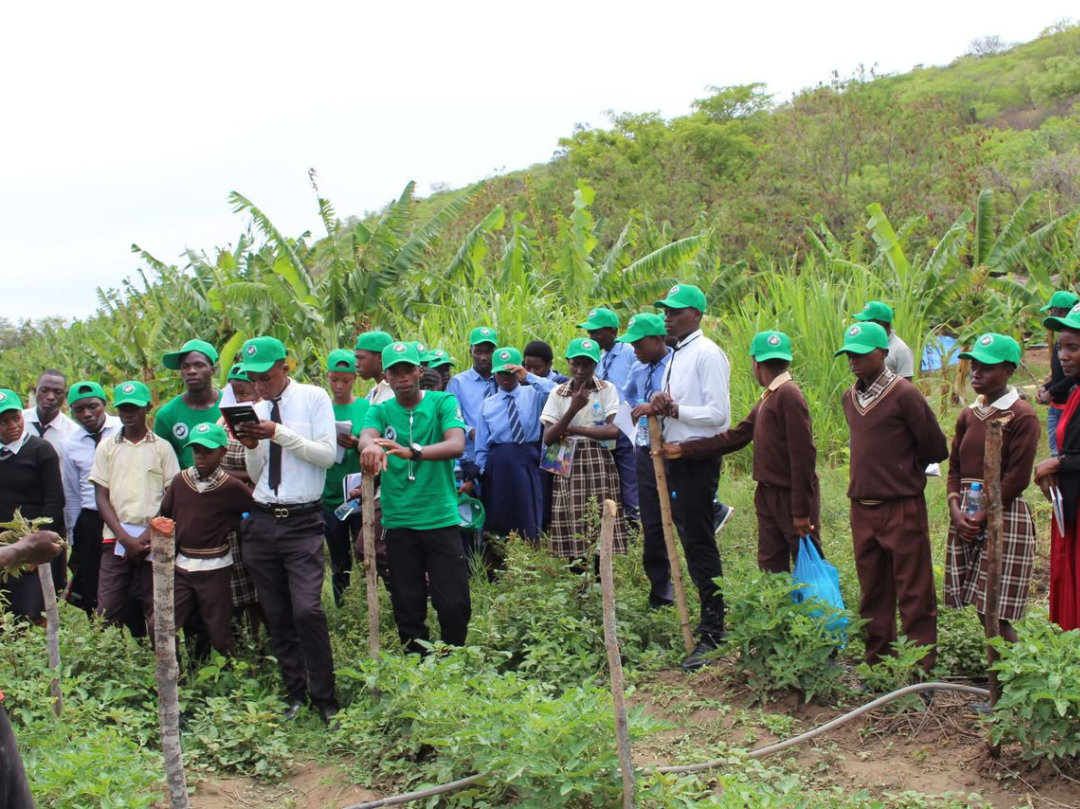
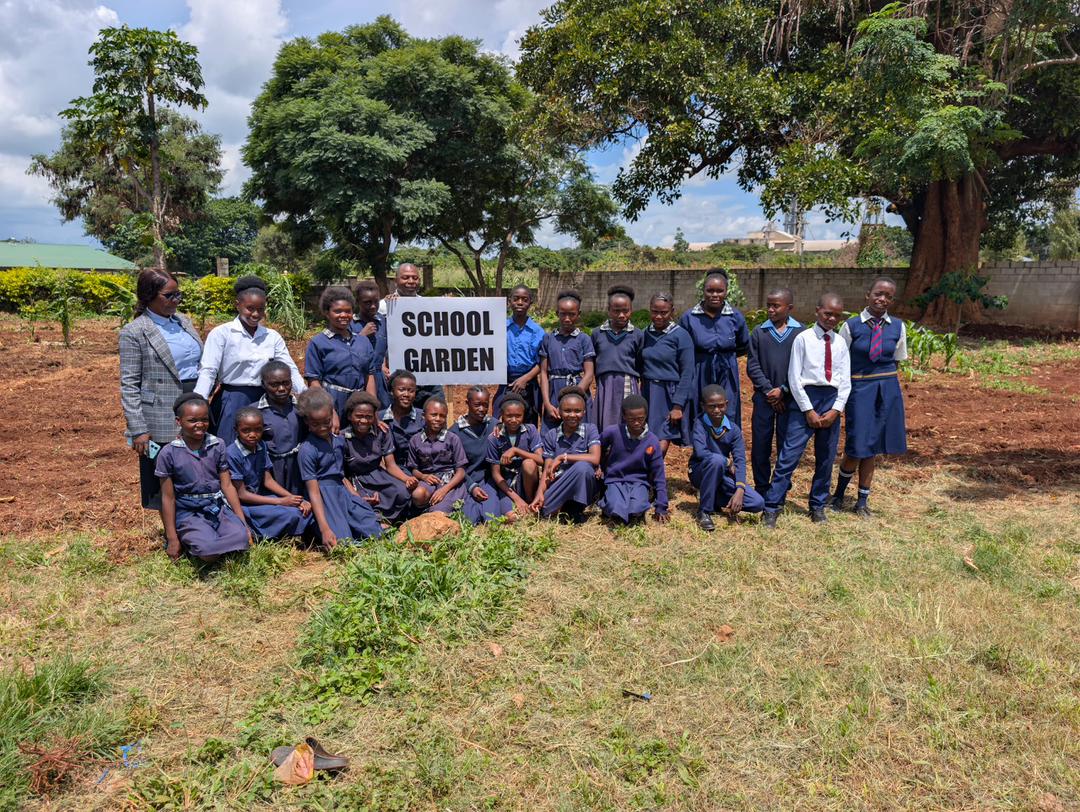
Food forests in schools
We implement food forests in schools to supply schools with vegetables and fruits, but also share the value of cultivating your own food. So far, we are working with 70+ schools to establish food forests all over Zambia and spread our message.
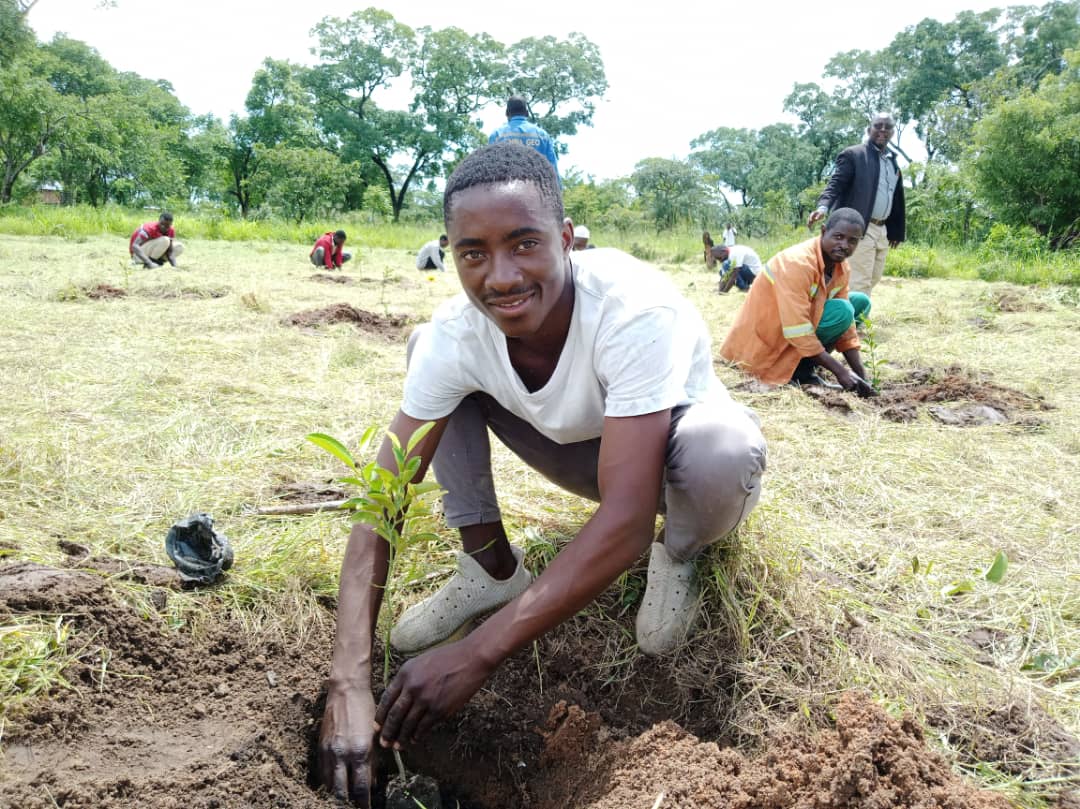
Tree Planting in Eastern and Lusaka Province
Since 2022 we have planted trees in two provinces. Those trees protect the soil from degradation and provide valuable resources to the local communities. We usually start cultivating trees during and at the end of the rain season in tree nurseries to plant them in the next rain season to make sure most of them survive.
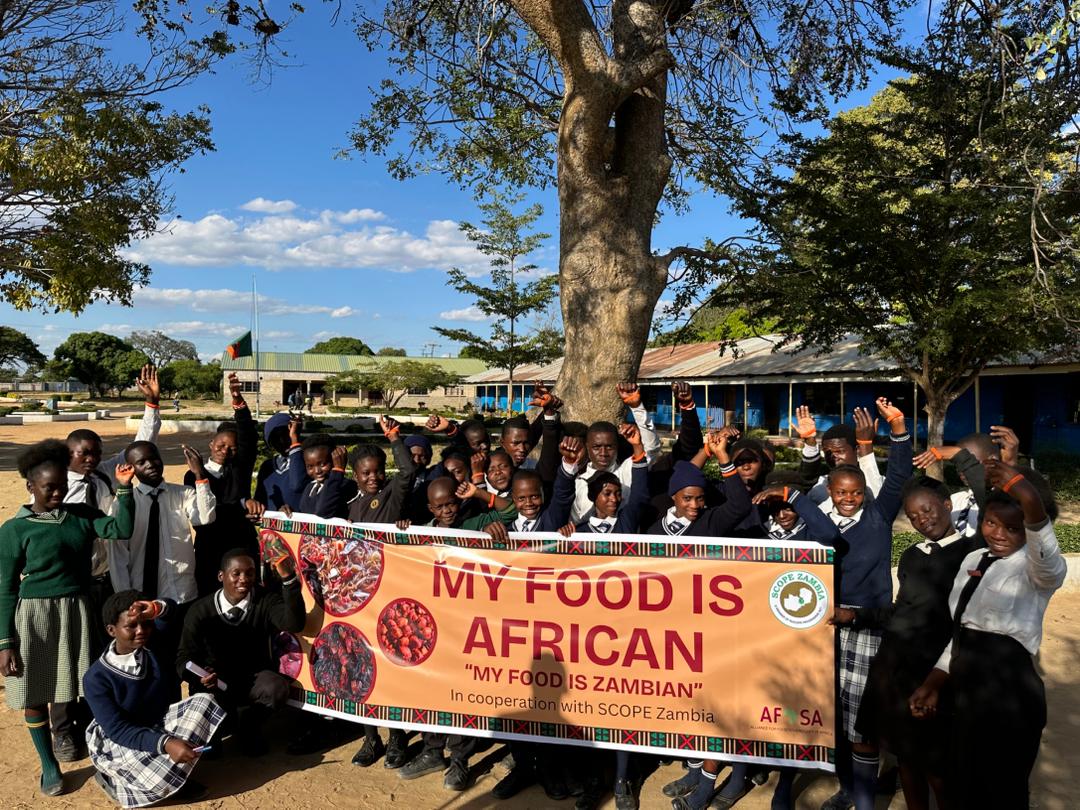
Building the reputation of traditional and healthy food
Building the reputation of traditional and healthy food Under the motto “My food is African” we meet with schools and communities to increase the popularity of a healthy diet, mostly based on traditional food. The food our ancestors produced was free of any pesticides and chemical manure, which made it healthier than most of today’s staple foods.
Advocacy for the use of local seed and seed rights
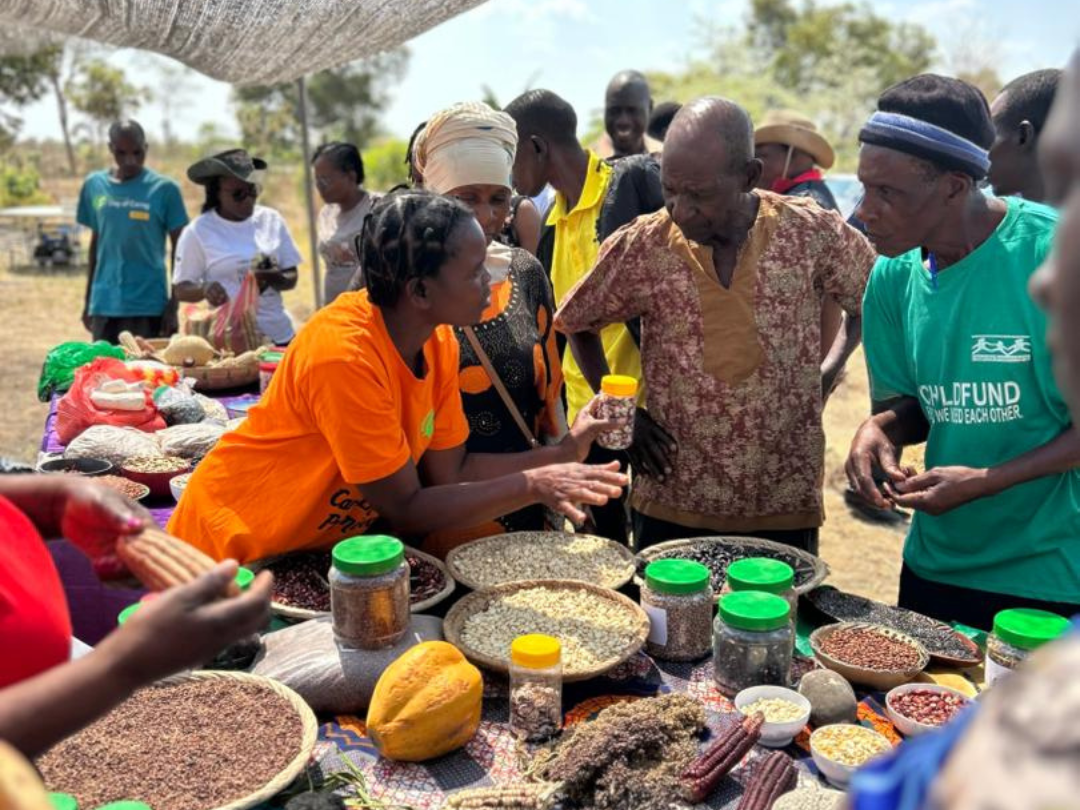
One of our goals is to make local seeds prominent again. For that we go into schools and teach about the advantages of local seeds compared to manufactured ones. Beyond that we organize large events that bring together farmers and experts on seed rights to advance the case of local seed and prevent the proposed PBR Bill.
Testimonial
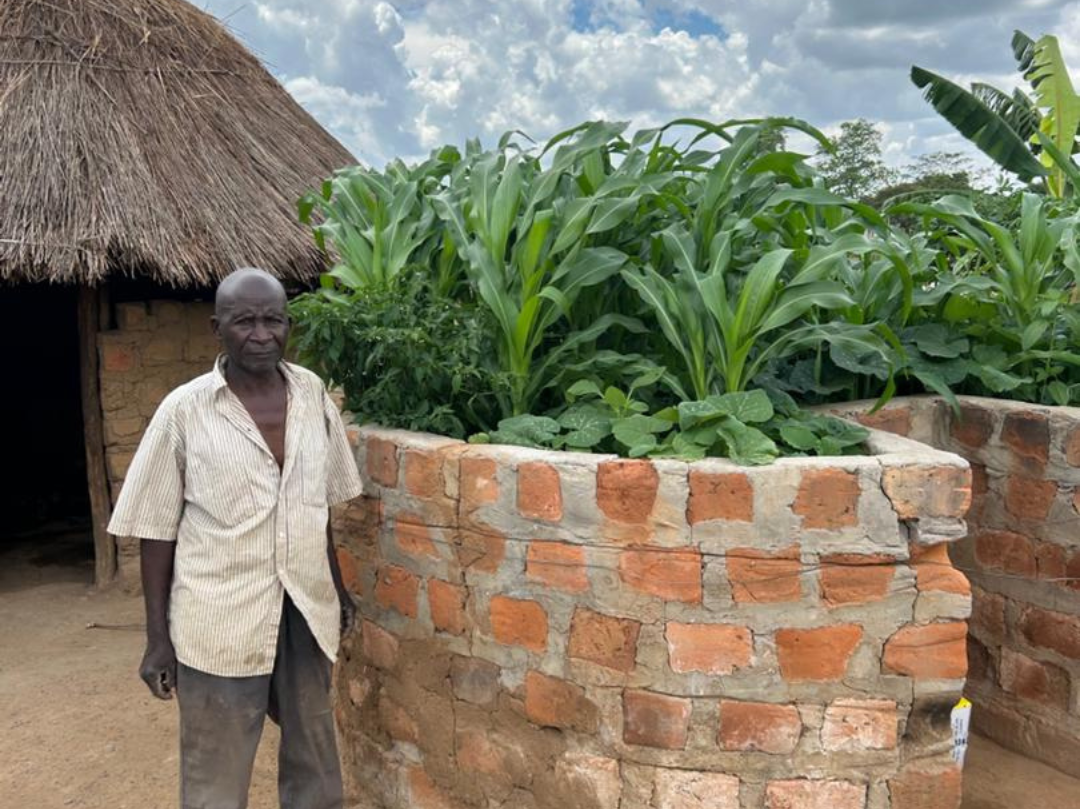
Meet Mr. Zulu! — A tangible example of our impact on local farmers
Mr. Zulu is a small-scale farmer from Chikancilla, Chongwe District, who attended one of our community permaculture training sessions. Since the training, he has actively applied several permaculture farming techniques, such as intercropping, organic pest control, keyhole
beds, and the utilization of trees.